Robotaxi Update: Great News for Tesla Investors
Two pieces of positive news on Tesla’s robotaxi ambitions. The first is, as I’m sure you’ve already read, Tesla finally expanded its unsupervised robotaxi service to new cities beyond Austin, Texas. The new cities are Dallas and Houston, and although the numbers are small, just 1-2 in each city initially, it’s highly likely they will ramp in due course, and no doubt CEO, Elon Musk will get to discuss the matter on the first quarter earnings call coming up on April 22.
China, Tesla, Waymo, and Zoox all agree on something
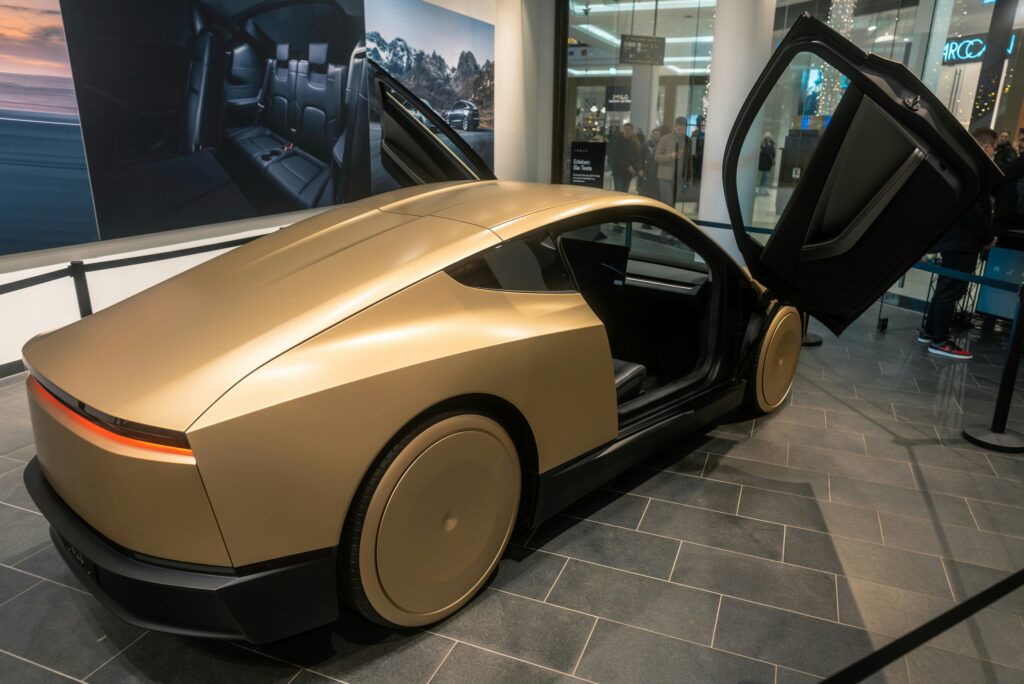
Given that driving regulations were established long before robotaxis became a viable option, the National Highway Traffic Safety Administration regulations don’t account for them and need to be modified before certain types of vehicles can be approved. One of them is Tesla’s dedicated robotaxi, Cybercab (already in production), which famously has no steering wheel, mirrors, rear window, or pedals; no handbrake; and no park-reverse-neutral-drive indicator (PRNDL). After all, why would you need one in an autonomously driven vehicle?
However, the lack of PRNDL in robotaxis isn’t addressed in National Highway Traffic Safety Administration (NHTSA) regulations, which is why NHTSA is modifying its regulations. It’s important to note that without these modifications, Tesla’s Cybercab won’t be allowed on the road in its current form.
Step forward, Federal Motor Vehicle Safety Standards (FMVSS) 102. It’s a rule-making docket proposing a modification to the regulations that would allow automated driving system (ADS) vehicles to be exempt from the need for PRNDL.
The good news is that most of the leading comment makers on the docket, including Tesla, Amazon’s Zoox, Alphabet’s Waymo, and, none other than, the People’s Republic of China (PRC), supported the modification.
What China, Tesla, Waymo, and Zoox said
he PRC, Tesla, and Waymo all argued that the exemptions should also apply to “dual mode vehicles that retain manual driving controls,” according to the PRC.
For Waymo, the exemption should also include:” equipped with manual driving controls that are stowed or stored, such as for use by first responders or vehicle retrieval; and (iii) equipped with manual driving controls that are configured for exclusive use by an ADS in a driverless mode and not for use by vehicle occupants. ”
Tesla argued that including ” dual-mode vehicles with stowable shift controls in the proposed exception would accommodate a wider range of ADS-equipped vehicle designs without compromising overall vehicle safety.”
In essence, they are agreeing with FMVSS 102 and arguing for a very similar modification, although the PRC argued that “the effective date be set no earlier than 365 days
following publication of the final rule,” rather than immediately. For obvious reasons, Tesla wants it effective immediately.
Zoox didn’t mention the dual-mode or stowable-control vehicles, but it did raise the interesting point about Maryland and Virginia requiring “checking the functionality of the gear selection indicator as part of their regular vehicle inspections,” but it also supports an immediate, effective date after the rule is finally published.
Where next for Cybercab and robotaxis
While there were some critical comments from the American Automobile Association (AAA) and the Advocates for Highway and Auto Safety, the broad-based support from the leading robotaxi players and the PRC is a major positive, and opens the pathway for the rule to be published in due course and made immediately effective. That would be great news for Tesla.
Discover more from TESLA INSIGHTS
Subscribe to get the latest posts sent to your email.